Personal Color Analysis Quiz: Find Your Season FASTER Using the Elimination Method
Trying to find your color season on your own through traditional personal color analysis, by identifying which colors look good on you, can be surprisingly difficult. But my personal color analysis quiz eliminates your options in minutes by using the wrong colors, getting you to your correct season so much faster.
Because we’re overly critical of ourselves, we falter. Good is subjective. Good compared to what? And when you’re staring at yourself in the mirror holding up fabric after fabric, everything starts to blur together.
But you know what’s much easier to spot? Colors that look objectively wrong on you. You see those SO fast.
Colors that make you look like you’re coming down with something. Colors that drain every little bit of life from your face. Colors that make people ask, “Are you feeling okay?” Those colors are giving you valuable information, they’re telling you exactly which color seasons to eliminate.
This guide will show you how to use your “wrong colors” to narrow down your season quickly. Instead of agonizing over subtle differences between “good” colors, you’ll identify the colors that are clearly wrong. In this way, you’ll systematically eliminate options bringing to the season that’s right for you.
How to Narrow Your Color Season in Minutes
In this personal color analysis quiz, we’re going with our gut. If your gut reaction is immediate, “Oh wait, that’s bad,” you can eliminate an entire season. There’s no subtle judgment required.
The elimination method to find your color season works because:
- It’s faster. You can eliminate 6+ seasons in the first pass.
- It’s clearer. “Bad” is easier to identify than “best.” We’re our worst critic, so let’s use it today.
- It’s more objective. If you look unwell or your skin turns yellow when you hold up a fabric, you just do.
- It builds confidence. Each elimination narrows your options so you feel better about what’s left.
- It works with what you already own. No need to buy drapes, you likely already have what you need.
What You’ll Need
Before we start, gather these items:
- Natural daylight, near a window during daytime but not in direct sunlight. Try to stay about 2-3 feet away from the window rather than right in front.
- A mirror. If you absolutely HAVE to use a camera, make sure it’s not automatically making you warmer. iPhones are notorious for this.
- No makeup and tie your hair up out of your face for the most accurate results.
- Various colored items from your wardrobe (see below).
- Honesty about what you observe, not what you wish were true or what your favorite colors are. This only works if you’re truthful about what you see.
- A quick checklist to help you keep things straight (download the free Google doc here!)
The colors you’ll specifically need:
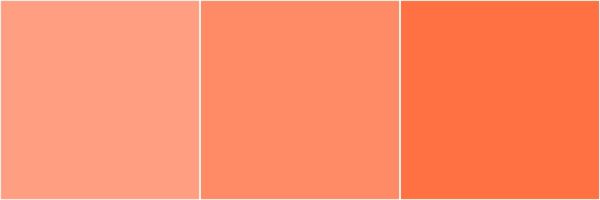
- Something peach, coral, or warm orange
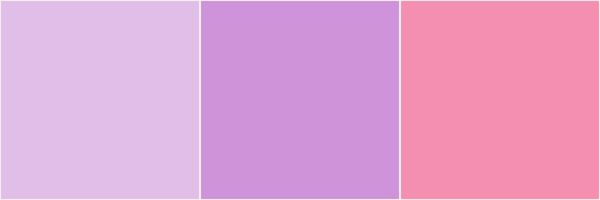
- Something cool pink or lavender
- Something bright and vivid (any color)

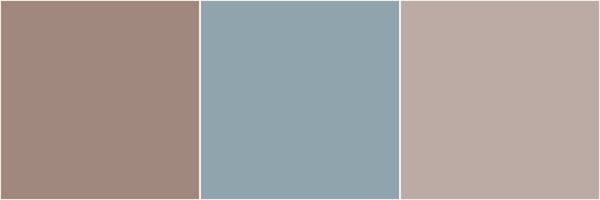
- Something muted and dusty (any color)
- Something very light/pastel

- Something very deep/dark

Don’t have a piece of fabric or clothing for each of these? Start with what you have. Even two colors can eliminate half your options.
Let’s put the personal color analysis quiz to work!
Round 1: The Temperature Elimination (Eliminates 50% of Seasons)
This is your biggest elimination test to find your color season. One comparison eliminates six seasons immediately.
Test: Peach vs Cool Pink
Hold a peach, coral, or warm orange item near your face. Look in the mirror. How does your skin look? (Don’t look at the color, look at your SKIN.)
Now hold a cool pink or lavender item near your face. Compare.
If Peach/Coral Looks Terrible:
What “terrible” looks like:
- Your skin looks sallow, yellowish, or jaundiced
- You look tired or unwell
- Your skin appears muddy or dirty
- You look like you need a good night’s sleep
- The color seems to highlight every flaw
What this means: You have COOL undertones.
Eliminate ALL Spring and Autumn seasons immediately.
You can only be: Light Summer, True Summer, Soft Summer, Deep Winter, True Winter, or Bright Winter.
If Cool Pink/Lavender Looks Terrible:
What “terrible” looks like:
- Your skin looks gray, ashy, or corpse-like
- You look washed out and undefined
- Your skin appears dull or lifeless
- You fade into the background
- You look somehow “wrong” or “off”
What this means: You have WARM undertones.
Eliminate ALL Summer and Winter seasons immediately.
You can only be: Light Spring, True Spring, Bright Spring, Soft Autumn, True Autumn, or Deep Autumn.
If Both Look Terrible:
This is rare, but it happens. You might be a neutral season (Bright Spring or Bright Winter) where neither extreme temperature works well. We’ll get there, don’t worry. Continue with the other tests to narrow down.
If Both Look Fine:
You’re likely a neutral-leaning season: Bright Spring, Bright Winter, Deep Autumn, or Deep Winter. These seasons have more neutral undertones that can handle more types of colors. Use the other elimination tests below.
Round 2: The Brightness Elimination (Eliminates 4+ More Seasons)
Now that you know your temperature (or that you’re neutral), let’s test brightness versus mutedness to help find your color season. Keep in mind if you landed on cool or warm from Round 1.
Test: Bright Vivid Colors
Find the brightest, most saturated color you can, hot pink, electric blue, bright emerald, pumpkin orange, anything super intense and clear.
Hold it near your face. How do you look?
If Bright Colors Look Terrible:
What “terrible” looks like:
- The colors overwhelm you
- You look clownish
- The color wears YOU like a ragdoll
- You look harsh or your features get lost
- It feels like “too much”
What this means: You need MUTED colors.
If you’re warm (learned from Round 1): Eliminate True Spring, Bright Spring, and Deep Autumn.
You’re likely Soft Autumn (or possibly Light Spring if very light colors also work well).
If you’re cool (learned from Round 1): Eliminate True Winter, Bright Winter, and Deep Winter.
You’re likely Soft Summer (or possibly Light Summer if very light colors also work well).
Test: Soft Muted Colors
Find a dusty, muted color, dusty rose, sage, muted teal, soft taupe, anything with gray mixed in. Hold it near your face. How do you look?
If Muted Colors Look Terrible:
What “terrible” looks like:
- You look dull, drained, or lifeless
- The colors make you appear tired or aged
- You lose all definition and vibrancy
- You fade away or look washed out
- You need more “oomph”
What this means: You need BRIGHT, CLEAR colors.
If you’re warm: Eliminate Soft Autumn. You’re either Light Spring, True Spring, Bright Spring.
If you’re cool: Eliminate Soft Summer. You’re either True Winter, Bright Winter, or Light Summer.
Round 3: The Depth Elimination (Narrows to Your Final Season)
Now let’s test whether you need light colors, deep colors, or a balanced range.
Test: Very Light Pastels
Find the lightest, most delicate pastel colors you can, pale pink, light lavender, soft mint, powder blue, light peach.
Hold them near your face. How do you look?
If Light Pastels Look Terrible:
What “terrible” looks like:
- You completely wash out
- You look undefined or invisible
- Your features disappear
- You need more weight and depth
- You look pale or sickly
What this means: You need DEPTH.
If you’re warm: You’re likely Deep Autumn (or True Autumn if you can handle some medium-depth colors well).
If you’re cool: You’re likely Deep Winter (or True Winter if you can handle some icy lights too).
Test: Very Deep Colors
Find the deepest, richest colors you can like burgundy, navy, forest green, chocolate brown, charcoal.
Hold them near your face. How do you look?
If Deep Colors Look Terrible:
What “terrible” looks like:
- The colors overwhelm you completely
- You look too heavy or aged
- The colors wear you instead of the reverse
- You feel swallowed up
- Your delicate coloring gets lost
What this means: You need LIGHTNESS.
If you’re warm: You’re likely Light Spring.
If you’re cool: You’re likely Light Summer.
If Both Light and Deep Work Well:
You can handle a range of values. You’re likely a “True” season:
If you’re warm: True Spring (if bright and clear) or True Autumn (if rich and earthy)
If you’re cool: True Summer (if soft and muted) or True Winter (if bright and clear)
Common Questions about the personal color analysis quiz
“What if nothing looks terrible?”
You might have neutral undertones or you might not be testing extreme enough colors. Try more intense versions, really bright orange, really icy lavender, really earthy rust, or the hottest of hot pinks.
“What if everything looks terrible?”
You might be wearing the wrong lighting, or you might be being too critical. Step back and compare: which looks less terrible? Or ask a friend for their honest opinion.
“Can I skip the draping and just think about what looks bad in my closet?”
Yes! If you know certain colors always make you look terrible, use that information. But confirm with actual draping since lighting in stores and at home can be really different.
“What if I’m between two seasons?”
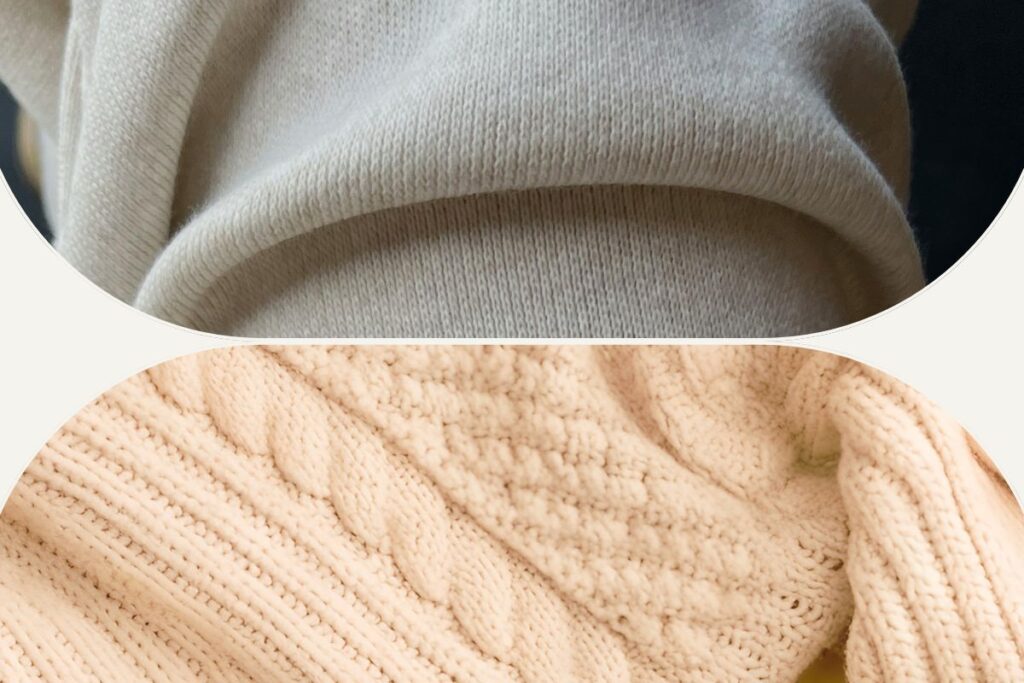
If you’re stuck between two seasons, check these posts that can help you tell the difference between the most frequently confused season pairs:
MOST COMMONLY CONFUSED SEASONS

“Do I really need to do all these tests?”
No! Many people can eliminate half of the seasons with just the first temperature test in my personal color analysis quiz. The additional tests are for narrowing down your final options.
What to Do Next
Once you’ve eliminated enough seasons to narrow down to 1-2 options:
- Read the complete guides for your remaining season(s)
- Do the confirmation draping with colors from that season’s palette
- Notice how you feel in those colors versus others
- Trust your results even if they surprise you
Color seasons exist on a spectrum. Some people are clearly one season while others are on the border between two. And that’s okay, it just means you get to borrow from your best colors in both palettes.
The goal of taking a personal color analysis quiz isn’t to find the color season you want to be or to restrict yourself from colors you love. The goal is to find the season that works best for you, helping you save time and effort when shopping and whose colors make YOU feel like your authentic self.